Tanzania's Data for Action in Food Fortification Workshop

Tanzania advances a data-driven agenda for large-scale food fortification
National stakeholders identified priority data gaps, agreed on coordinated action, and launched new guidelines and monitoring indicators to strengthen food fortification.
Workshop details
Event: Data for Action in Food Fortification session at the 40th National Food Fortification Meeting
Date and location: 8–10 June 2026 | Dar es Salaam, Tanzania
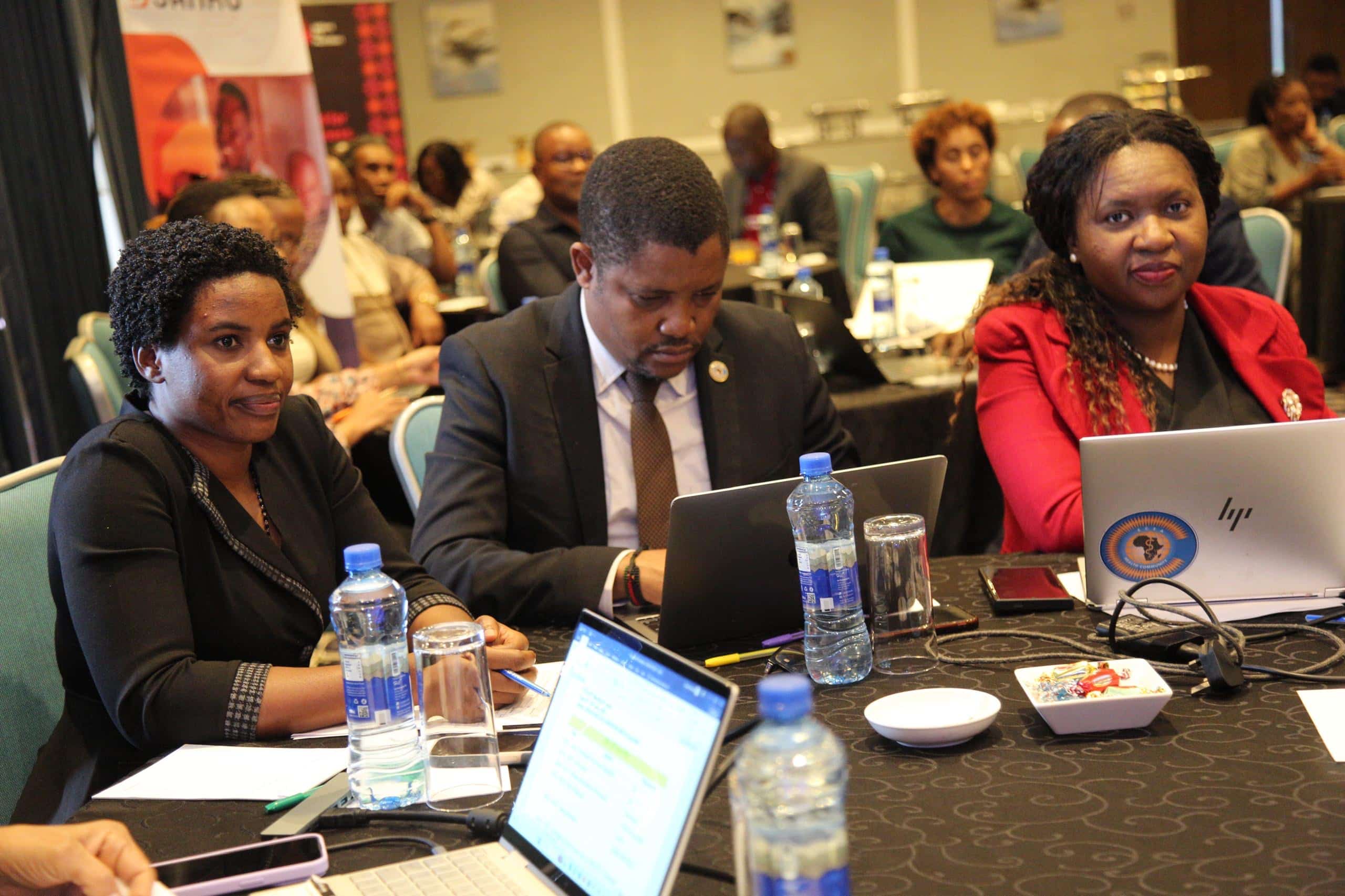
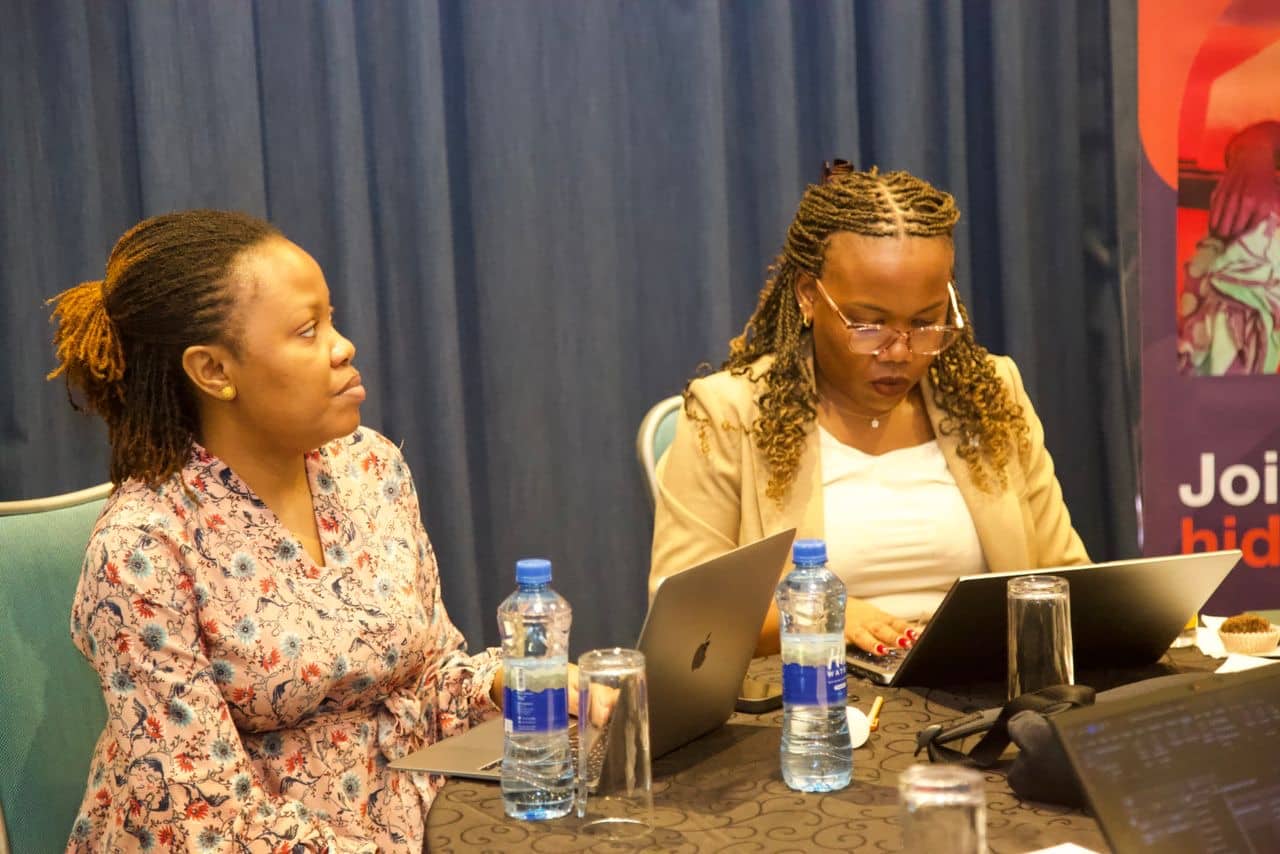
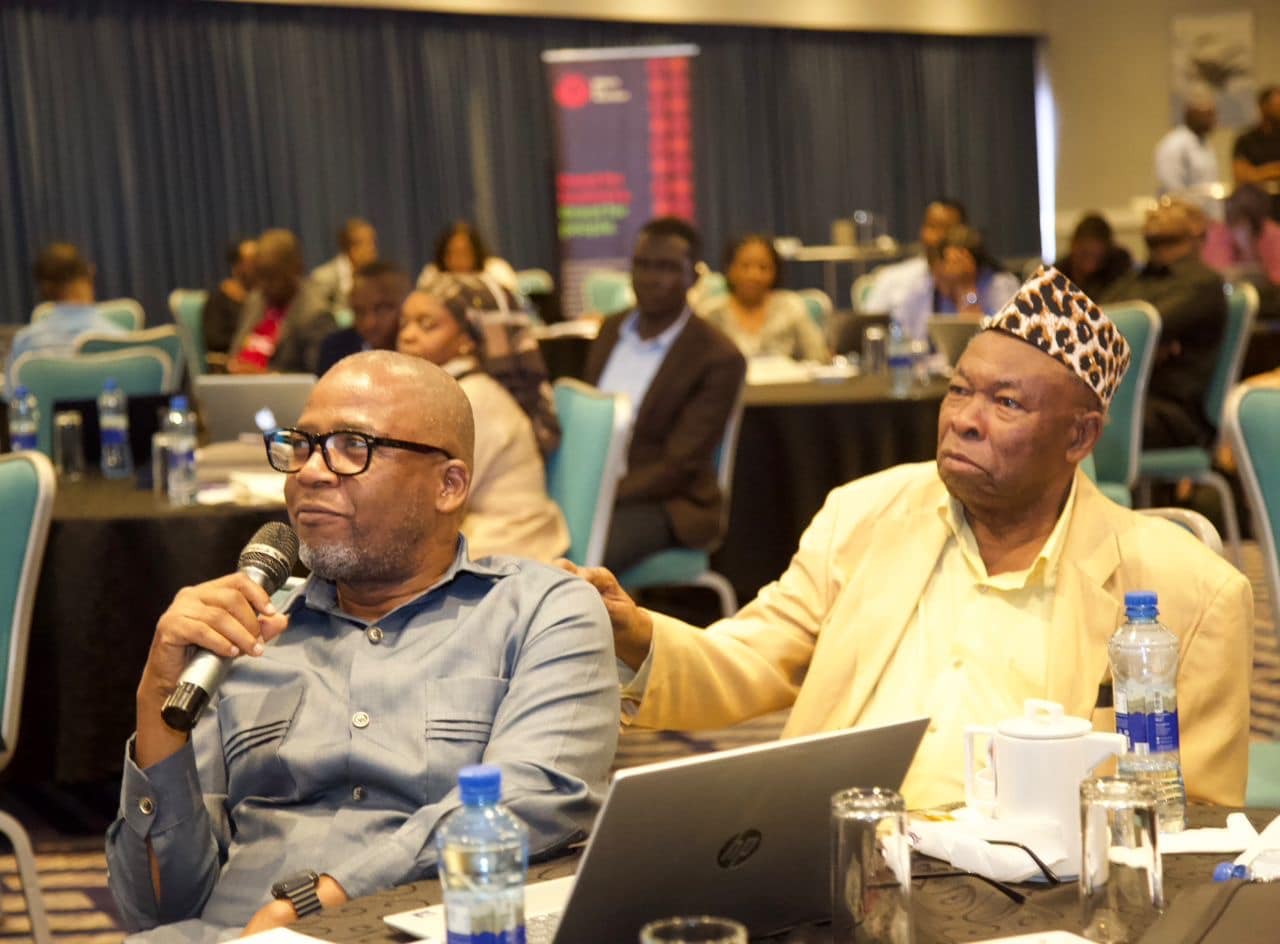
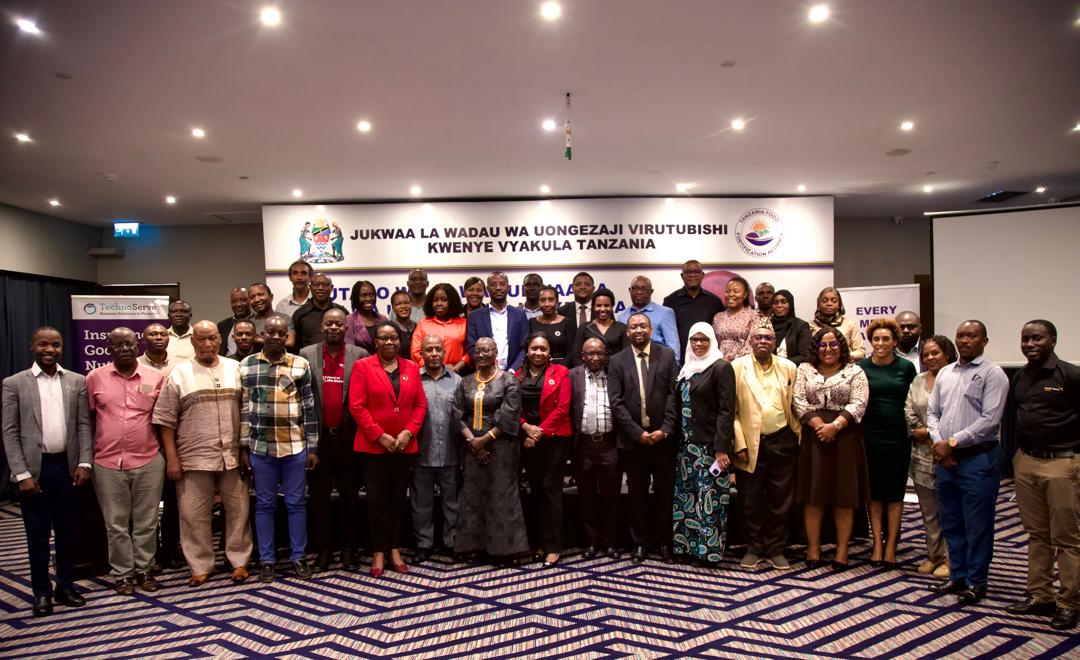
Participation: 52 representatives from government, regulatory agencies, research institutions, industry, civil society, and development partners
Building a stronger foundation for action
Large-scale food fortification (LSFF) is a proven, cost-effective way to reduce micronutrient deficiencies, but its impact depends on timely, high-quality data that decision-makers can use. As a follow-up to the October 2025 Africa Regional Dialogue on Data for Action in Food Fortification, Tanzania integrated a dedicated data session into its national fortification meeting. The approach brought the right institutions into one room while making efficient use of an established national platform.
Facilitated by the East, Central and Southern Africa Health Community (ECSA-HC), with support and technical assistance from DInA, the session examined how data moves across Tanzania’s health, industry, regulatory, and other government systems. Participants reviewed current data sources and information flows, identified barriers to effective data use, and prioritized actions to strengthen the national food fortification data ecosystem.
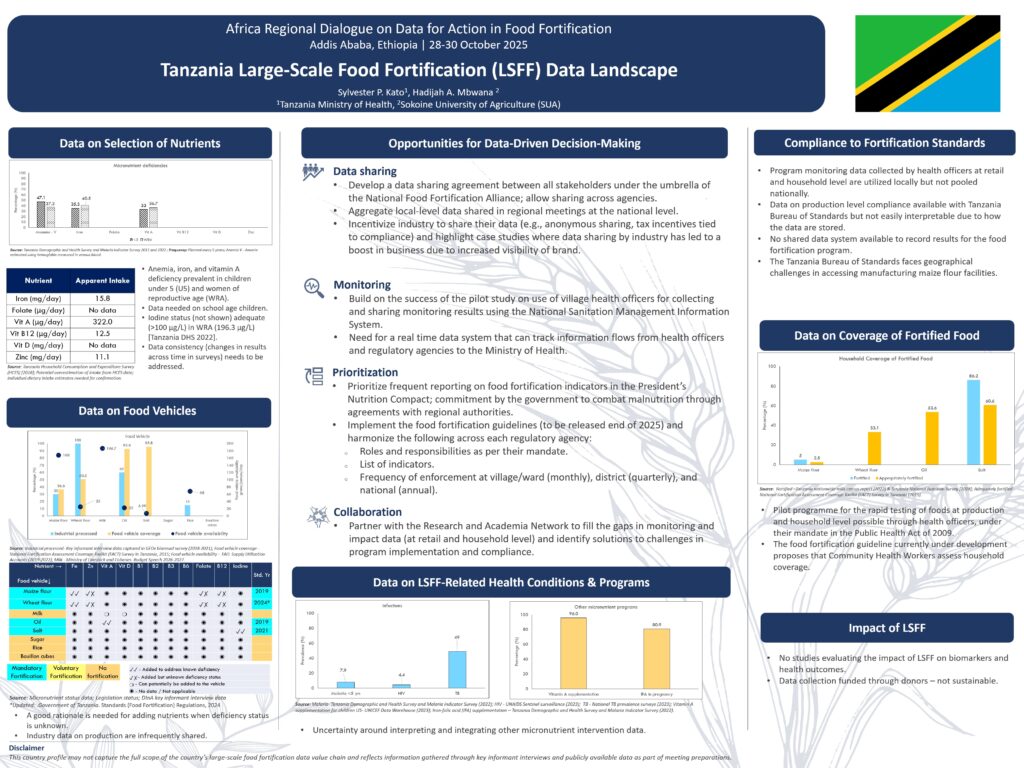
Prior to the October 2025 Africa Regional Dialogue on Data for Action in Food Fortification, country delegates from Tanzania created this LSFF data landscape, with information on: the available and accessible national level LSFF- related data, who owns the data, how data are shared and used, and country-specific opportunities for filling data gaps.
Workshop achievements and LSFF data-focused priority actions
Workshop participants developed a coordinated action agenda focused on improving micronutrient and coverage data, expanding laboratory capacity, increasing compliance among small- and medium-scale millers, strengthening consumer awareness, and improving nutrition governance. During the workshop, Tanzania’s Ministry of Health introduced the integration of food fortification indicators into the National Sanitation Management Information System (NS-MIS), including indicators related to production facilities, retail outlets, schools implementing school feeding programmes, rapid testing, and quantitative laboratory sample collection. Participants further agreed to incorporate the following five priority actions into Tanzania’s national food fortification workplan and regularly monitor progress through the Tanzania Food Fortification Alliance and existing national reporting systems. The workshop concluded with the launch of the National Guidelines for Implementing Food Fortification, establishing stronger mechanisms for routine monitoring and evidence-based decision-making in food fortification.
Five priorities for focused implementation
Strengthen micronutrient status data through a national survey, expanded biomarker data, and greater capacity for routine assessment.
Expand food fortification laboratory capacity, certify private laboratories, and build a coordinated laboratory network.
Improve compliance among small- and medium-scale millers through training, supportive supervision, simpler tools, and better access to fortification technologies and premix.
Increase consumer awareness and demand for fortified foods through evidence-based communication, community engagement, and advocacy.
Strengthen nutrition governance and oversight through improved coordination and stronger institutional support for food fortification.