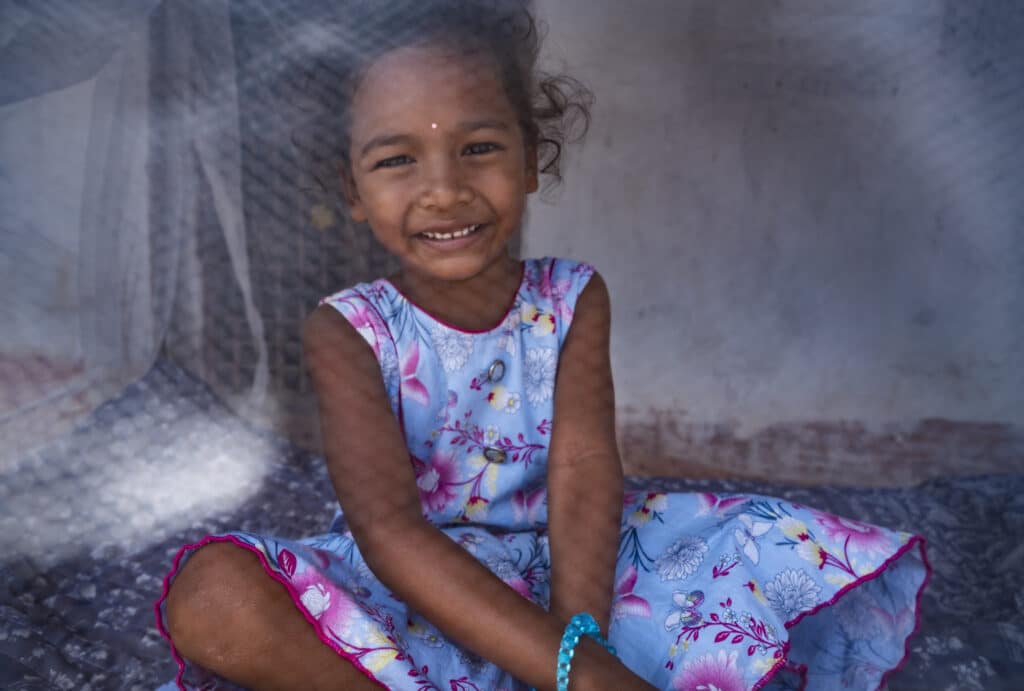
Photo: Tanya Chatterjee/Malaria No More
By the Anemia Action Alliance, a multi-stakeholder initiative hosted by the World Health Organization, in close collaboration with UNICEF, and other partners. The Alliance brings together relevant stakeholders across disciplines, sectors, and geographies who are committed to improving the health of populations to achieve a collective vision.
Anaemia remains a pervasive—and neglected—public health challenge. It disproportionately affects young children, adolescent girls, and women due to widespread inequities in agency and access to health services, undermining their health, cognitive and physical development, and productivity.
Iron deficiency is the most recognised cause, but it accounts for only two-thirds of cases globally. The remainder results from obstetric and gynaecological conditions; other nutritional deficiencies; infections (malaria and soil transmitted helminths), inflammation, and chronic diseases; and inherited red blood cell disorders. Structural inequities, such as poverty, limited access to quality health and nutrition services, inadequate water and sanitation, and other socioeconomic conditions amplify the biological vulnerability of women, adolescent girls, and children, underscoring the need for multisectoral action beyond iron supplementation alone.
Decades of research and investment have generated strong evidence on what works to prevent and treat anaemia. But anaemia has not received the political prioritisation, integrated programming, and sustained financing it warrants. The World Health Assembly recently extended its target to 2030 to halve the prevalence of anaemia in women of reproductive age, but progress requires coordination and integration of different health interventions across delivery platforms. Without urgent collective human-centred action, anaemia will continue to limit minds, constrain futures, and perpetuate inequities through intergenerational poverty and undernutrition.
Protect Mothers, Infants, and Young Children by Strengthening Health Services
Women 15–49 years old are three times more likely to be anaemic than men due to menstruation; increased iron requirements during pregnancy and lactation; and unequal access to nutrition, education, healthcare, and intrahousehold resources.
During pregnancy, anaemia raises the risk of maternal death, low birth weight, stillbirth, preterm birth, and perinatal mortality, preeclampsia, and postpartum haemorrhage. In a devastating intergenerational cycle, mothers who are anaemic often give birth to children who are also anaemic, impairing cognitive and motor development, and increasing their risk of death.
But this cycle is preventable. We need to integrate essential services for women and young children into the platforms they frequent most. For women, sexual and reproductive health services should include management of heavy menstrual bleeding, while antenatal and postnatal care should provide deworming, nutrition counselling and iron-containing supplementation, malaria prevention and timely diagnosis, management of postpartum haemorrhage, avoid unnecessary caesarean sections, and delay umbilical cord clamping. For young children, insecticide-treated bed nets, micronutrient powders, and deworming can help reduce their chance of illness and anaemia.
Improving the quality of maternal and child health care and ensuring dignified access will enhance girls’ and women’s experience of care and increase service utilization. Well-trained health workers with strong interpersonal and technical skills can have a far-reaching, life-saving impact by taking a human-centred approach that considers and addresses all potential risk factors that may predispose a patient to anaemia.
Support Schoolchildren with Smart School-Based Strategies
Anaemia in schoolchildren impairs growth cognition, reduces attention span, and diminishes learning capacity—decreasing educational attainment and future economic opportunities.
Schools are a powerful but underused platform for anaemia prevention. They consistently reach children and adolescents during critical periods of growth, cognitive development, and socialisation. Integrating nutrition and health programmes builds health literacy, improves nutrition knowledge, and promotes sexual and reproductive health and rights. Comprehensive school-based delivery—school meal programmes, malaria prevention, infection control, weekly iron-folic acid supplementation, water and sanitation, and health education—is essential to reach those most at risk. Nutrient-rich school meals and anthelmintics can improve children’s enrolment, attendance, math performance, and cognition, particularly among children who are undernourished and younger.
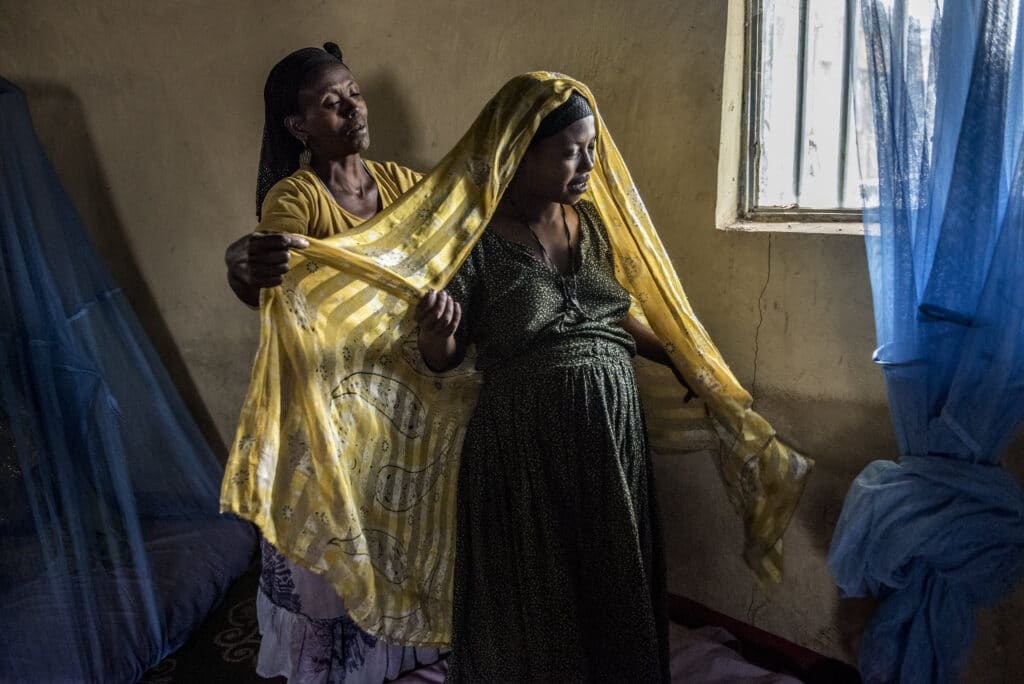
Photo: Karen Kasmauski/Jhpiego
Why Anaemia Demands Collective and Integrated Action
Community-based platforms are indispensable for reaching populations routinely missed by facility-based programmes, notably women, adolescent girls and children in remote or underserved areas. By responding to their priorities and lived realities, these platforms foster trust and cultural relevance and build agency and sustained engagement—critical factors for effective prevention and adherence to treatment.
Community health workers and volunteers play a central role in increasing access to maternal and child health services, family planning interventions, and prevention and treatment of common childhood illnesses such as malaria. Community-based delivery may offer a mechanism for distributing vitamin A supplementation, iron-containing micronutrient supplements, deworming, insecticide-treated nets, and nutrition and health counselling. Integrating programming optimises resources, reduces duplication, and delivers services to populations vulnerable to poor health.
But the impact of community health workers depends on adequate and repeated training, supportive supervision, appropriate tools, and fair renumeration needed to manage their workloads and support their families. Investing in their success is essential for preventing and treating anaemia.
Raising awareness of the causes and consequences of anaemia and implementing targeted behaviour change interventions can reduce key risk factors by influencing health-seeking and preventative behaviours. Engaging community leaders or influential family members can help reshape norms influencing the nutritional status of young children and pregnant women, encourage early initiation of antenatal care, and improve adherence to iron-folic acid-containing supplements.
Integration for Impact
Guided by the World Health Organization and UNICEF, the Anaemia Action Alliance mobilises national governments, United Nations agencies, academic institutions, donors, and civil society to accelerate progress reducing anaemia globally.
Community-Led Change in Bangladesh
Evidence shows that integration works. In Bangladesh, Shasthya Shebika community health volunteers, implemented integrated programming addressing women’s health and malaria control at scale. These volunteers distribute micronutrient powders to caregivers, refer pregnant women to Shasthya Kormis for antenatal care, and offer deworming with albendazole for 2–5-year-old children. Areas implementing home fortification programmes experienced a 32% relative reduction in anaemia—demonstrating what is possible when practitioners align services and deliver them to the people most at risk where they already are.
Integration is cost-effective, efficient, and equitable. By ensuring antenatal care services address all anaemia aetiologies and complementing facility-based services with robust screening, prevention, and treatment efforts in communities and schools, we can finally reduce anaemia’s devastating impact on women and children’s cognitive and physical potential.
The Anaemia Action Alliance calls on countries and development partners to uphold women and children’s right to health and commit to reducing anaemia through a comprehensive and costed action plan. Alliance partners work together to ensure countries have access to technical expertise to strengthen their national capacities, programme strategies, implementation, and monitoring.
Anaemia is preventable. The solutions are known. With sustainable investment in multi-sectoral programming, we can help women and children lead healthy, productive lives.
A webinar on 13 February at 12:00 CET (06:00 EST | 16:30 IST) explores how addressing anaemia supports efforts to address malaria and neglected tropical diseases and improve sexual and reproductive health. Register now.